

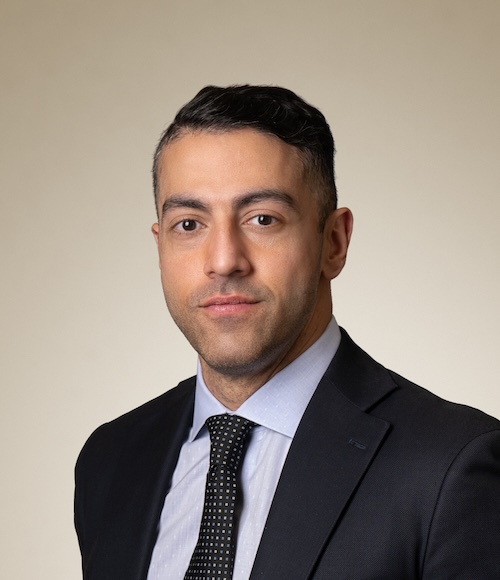
Texas Retina’s Ashkan M. Abbey, MD, recently participated in a three-part special report video series by Ophthalmology Times that examined the evolving treatment landscape for geographic atrophy (GA).
What is Geographic Atrophy?
A late stage of dry age-related macular degeneration (AMD), GA involves chronic and irreversible progressive destruction (atrophy) of central retinal cells and their underlying blood vessels due to chronic inflammation. Upon examination, these areas of atrophy often look like a map which led to the term “geographic atrophy.” GA gradually causes permanent loss of visual acuity.
Treatment Options for Geographic Atrophy
Over the past two years, there has been a fundamental shift in treatment of geographic atrophy with the FDA’s approval of two complement inhibitor therapies that can consistently slow GA lesion progression: pegcetacoplan (Syfovre) and avacincaptad pegol (Izervay). Both agents demonstrated slowing of lesion growth in phase 3 randomized clinical trials, and long-term extension data are now available.
In the video series, Dr. Abbey reviews and discusses the latest information on these treatment options with Joseph A. Anaya, MD, MBA, assistant professor of ophthalmology at Wilmer Eye Institute at Johns Hopkins University School of Medicine in Baltimore, Maryland, including the following:
- long-term extension data for both complement inhibitors
- anatomic versus functional outcomes
- practical approaches to patient selection and inflammation monitoring
- real-world challenges of cost, access and setting appropriate expectations for disease progression
“Therapies for GA represent an important step forward,” comments Dr. Abbey. “Although clinical evidence indicates greater effects on disease anatomy than on visual function, the availability of these treatments provides an option for patients facing a condition that was once considered largely untreatable.”
Click HERE to access all three episodes of the series.
About Dr. Ashkan Abbey
Dr. Abbey serves as Texas Retina’s Director of Clinical Research for Dallas and cares for patients in our Dallas Main and Rockwall offices. Click HERE to learn more about him.